.jpg)


Cellar Technology for Professional Winemaking

Cellar Technology
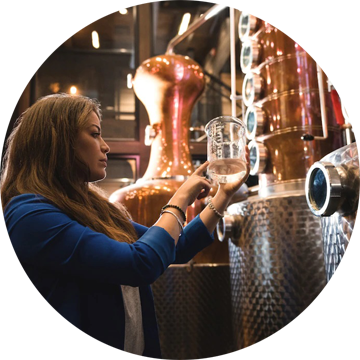
Cellar technology encompasses the advanced equipment, systems and innovations used to optimize every stage of the winemaking process, from fermentation and stabilization to storage and quality control. Modern winery technology allows wine producers to increase production efficiency, improve process monitoring and achieve consistently higher-quality wines.
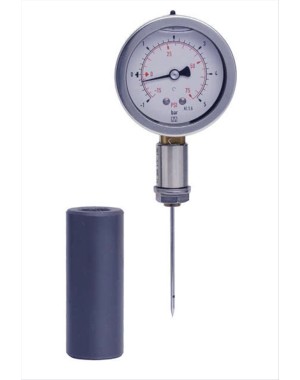
Today's wine industry relies on precision, automation and data-driven process control to maximize the value of every harvest. By implementing innovative cellar technologies, wineries can improve product consistency, reduce operating costs and enhance overall production performance. Instruments such as aphrometers and vuotometers help monitor critical parameters throughout production, supporting better decision-making and quality management.
How Cellar Technology Works
Modern cellar technologies support winemakers throughout the entire production cycle by providing greater control over fermentation, temperature management, clarification and wine stabilization.
Advanced systems collect and analyze production data, helping operators monitor key variables and optimize processes in real time.
From controlling fermentation temperatures to concentrating musts and recovering valuable by-products, these technologies improve both product quality and operational efficiency.
The integration of modern cellar equipment enables wineries to increase productivity while maintaining the unique characteristics and quality standards expected by today's wine market.
Benefits of Modern Cellar Technology
- Improved fermentation control.
- Higher wine quality and consistency.
- Increased production efficiency.
- Reduced waste and product losses.
- Enhanced process monitoring.
- Better energy management.
- Improved operational performance.
- Greater product stability.
- Optimized resource utilization.
- Increased winery profitability.
Applications in Modern Wineries
Cellar technology is used across all sectors of wine production, from boutique wineries to large industrial operations.
- Red wine production.
- White wine production.
- Rosé wine production.
- Sparkling wine production.
- Commercial wineries.
- Wine cooperatives.
- Organic wine producers.
- Research and development facilities.
Available solutions include systems for must and wine clarification, wine temperature control, must and wine concentrators, barrel storage systems and technologies for fermentation carbon dioxide recovery.
How to Choose the Right Cellar Technology
Selecting the most suitable winery technology depends on production goals, winery size and desired quality standards.
- Annual production volume.
- Type of wine produced.
- Required automation level.
- Fermentation management objectives.
- Temperature control requirements.
- Quality improvement targets.
- Energy efficiency goals.
- Process monitoring needs.
- Future production expansion plans.
- Integration with existing equipment.
Why Choose Enosystem
Enosystem supplies advanced cellar technology solutions designed to help wineries improve wine quality, increase productivity and strengthen operational control.
With extensive expertise in winery equipment and winemaking processes, we provide innovative technologies tailored to the needs of modern wine producers.
Every project is developed with a focus on performance, reliability and long-term return on investment, helping wineries achieve sustainable growth and production excellence.
From fermentation management to process optimization and product stabilization, Enosystem supports wineries with professional consulting, technical expertise and industry-leading solutions.
FAQ
What is cellar technology in winemaking?
Cellar technology includes all equipment and systems used to control, optimize and improve wine production processes, from fermentation through storage and stabilization.
Why is technology important in modern wineries?
Modern technology improves process control, enhances wine quality, increases production efficiency and helps reduce operating costs.
How does temperature control affect wine quality?
Accurate temperature management is essential for controlling fermentation, preserving aromas and ensuring wine stability throughout production.
What technologies are used for wine clarification?
Clarification systems remove suspended particles from musts and wines, improving clarity, stability and overall product quality.
What are must and wine concentrators used for?
Concentrators help increase the concentration of specific components within musts and wines, supporting quality enhancement and process optimization.
What is fermentation carbon dioxide recovery?
It is a technology that captures and recovers CO₂ generated during fermentation, improving sustainability and reducing waste within winery operations.
Can small wineries benefit from cellar technology?
Yes. Modern cellar technologies are available in scalable configurations suitable for both boutique wineries and large industrial producers.
How can cellar technology improve winery profitability?
By increasing efficiency, reducing losses, improving quality consistency and optimizing production processes, wineries can achieve stronger long-term profitability and competitiveness.
>> Do you have specific requirements?
Contact us for a bespoke solution tailored to your production capacity, type of processing and output targets.

Mail: commercial@enologys.com