.jpg)


Must and Wine Clarification Systems

Must and Wine Clarification Systems
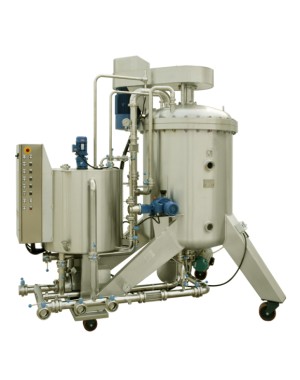
Must and wine clarification systems are an essential part of modern winemaking, helping wineries produce cleaner, more stable and longer-lasting wines. Clarification removes suspended solids, lees and unwanted particles that can negatively affect fermentation, filtration and the overall sensory quality of the finished wine. A properly clarified must promotes a healthier fermentation while improving the clarity, stability and shelf life of the final product.
Enologys supplies professional clarification equipment suitable for wineries of every size, from boutique producers to large industrial cellars. Using advanced dynamic separation technology, these systems rapidly separate lees from freshly pressed must, reducing processing times and improving production efficiency without compromising wine quality.
Effective clarification also works in synergy with wine temperature control systems, allowing better fermentation management while preserving varietal aromas, freshness and the natural characteristics of every wine.
How must and wine clarification works
Clarification is a physical separation process that removes suspended solids from must and wine before the next stages of production. Modern clarification units use dynamic separation techniques to quickly eliminate coarse and fine lees immediately after pressing, significantly reducing settling times and preparing the must for controlled alcoholic fermentation.
By reducing suspended solids before processing, wineries obtain a cleaner product that is easier to handle during wine filtration. This improves filter performance, reduces clogging and contributes to a brighter, more stable finished wine.
Clarification systems are available in different capacities and can easily be integrated into both new and existing winery production lines.
Advantages
- Rapid separation of lees after pressing.
- Improved must and wine clarity.
- More consistent alcoholic fermentation.
- Reduced microbiological risks.
- Lower filtration workload.
- Improved wine stability.
- Shorter production times.
- Higher overall winery efficiency.
- Easy integration with existing equipment.
- Preservation of wine aroma and quality.
For specific production objectives, clarification can also be combined with must and wine concentrators to optimise grape composition and improve process flexibility throughout the winemaking season.
Applications
Clarification systems are used to process white, red and rosé grape musts immediately after pressing, as well as during several wine treatment stages before filtration, stabilization and bottling. They are suitable for wineries of every production capacity, helping improve product quality while reducing operating costs.
After clarification and filtration, wines can be treated using tartaric stabilization systems to prevent tartrate crystal formation and ensure long-term product stability before packaging.
Professional clarification is particularly valuable for premium wines requiring excellent brilliance, stable filtration performance and consistent quality throughout storage and distribution.
How to choose the right clarification system
The ideal solution depends on production capacity, must characteristics, turbidity level, winery layout and desired automation. It is also important to evaluate cleaning procedures, energy consumption, construction materials and compatibility with existing winemaking equipment to achieve maximum productivity and long-term reliability.
A correctly sized clarification system reduces product losses, improves process continuity during harvest and contributes to a more efficient and profitable winery operation.
Why choose Enologys
Enologys offers professional clarification equipment selected for reliability, efficiency and outstanding wine quality. Every solution can be tailored to the winery's production requirements and integrated with complementary technologies for temperature control, filtration, stabilization and processing.
Clarification systems can also operate alongside fermentation CO₂ recovery systems, allowing wineries to create more sustainable, energy-efficient and technologically advanced production lines while improving process control and environmental performance.
Frequently Asked Questions
Why is must clarification important?
Freshly pressed grape must naturally contains suspended solids, grape skins, pulp, seeds and lees that may negatively influence alcoholic fermentation and subsequent processing stages. Removing these materials improves fermentation control, enhances wine stability and contributes to cleaner aromas, better colour expression and improved overall wine quality.
What are the benefits of dynamic separation technology?
Dynamic separation significantly reduces clarification time compared with traditional settling methods. It enables wineries to process larger volumes during harvest, improves production continuity and delivers cleaner must while minimising waiting times and reducing the risk of oxidation or microbiological spoilage.
Does clarification replace wine filtration?
No. Clarification and filtration are complementary operations. Clarification removes the largest suspended particles before fermentation or storage, while filtration performs the final polishing step. Proper clarification improves filtration efficiency, extends filter life and reduces operating costs.
Are clarification systems suitable for every type of wine?
Yes. Professional clarification equipment can be used for white, red, rosé and sparkling wine production. Each installation can be configured according to grape variety, turbidity level, production capacity and the specific quality objectives of the winery.
What should be considered before purchasing a clarification system?
The most important factors include hourly processing capacity, annual production volume, must characteristics, available installation space, automation level and compatibility with existing winery equipment. Cleaning efficiency, food-grade construction materials, operating costs and future expansion possibilities should also be evaluated to ensure a reliable long-term investment.
>> Do you have specific requirements?
Contact us for a bespoke solution tailored to your production capacity, type of processing and output targets.

Mail: commercial@enologys.com