.jpg)


Professional Olive Defoliators and Washing Machines

Professional Olive Defoliators and Washing Machines
Olive defoliators and washing machines play an essential role in preparing freshly harvested olives before crushing and oil extraction. After harvesting, olives may arrive at the processing facility together with leaves, small branches, soil, dust and other field residues. An efficient olive defoliation, branch removal and washing process helps remove unwanted materials and prepares the fruit correctly for the subsequent stages of olive oil production.
Enologys offers professional systems for olive oil mills, farms, olive growers and olive oil producers. The equipment can be installed in new production lines or integrated into existing plants, with capacity and configuration selected according to the kilograms of olives processed per hour, harvesting method and overall organization of the olive processing line.
Olive defoliation before crushing
Olive defoliation is one of the first operations carried out after harvested olives arrive at the processing facility. The defoliator separates leaves and other lightweight plant material that may have been collected together with the fruit. Removing these materials helps prepare the olives for washing and the subsequent processing stages.
This stage should be correctly integrated with the other professional olive oil production equipment, taking into consideration the quantity of incoming olives and the processing capacity of the downstream machines.
Professional olive washing machines
After leaves and unwanted plant materials have been separated, olive washing machines clean the fruit before processing. Washing removes residual soil, dust and other impurities, helping ensure that the olives reach the crushing stage properly prepared for the production process.
Professional washing systems are designed with particular attention to efficient water management and hygienic processing conditions. Correct organization of this stage becomes especially important during the olive harvesting season, when large quantities of fruit may need to be received, cleaned and processed while maintaining a continuous production flow.
Why should olives be cleaned and washed before crushing?
The condition of harvested olives can vary significantly according to harvesting method, soil characteristics, weather conditions and handling before arrival at the mill. Different quantities of leaves, small branches, soil, dust and other foreign materials may therefore be present. Cleaning olives before crushing should be considered an integral part of the production process rather than a secondary operation.
Once properly defoliated and washed, the fruit can be transferred to professional olive crushers. The objective is to create a clean, regular and efficient processing flow while supporting careful management of the qualitative and sensory characteristics of the resulting olive oil.
Olive defoliators, branch removers and washing systems
The preparation section can include different operations depending on the condition of the incoming olives. Defoliation primarily separates leaves and lightweight plant material, while branch removal systems help manage small branches and similar residues. Washing then completes the preparation stage by removing residual impurities from the surface of the olives.
The objective is to create a logical sequence between olive reception, cleaning, washing and feeding to the crushing stage. The capacity of each machine should therefore be compatible with the overall throughput of the processing line, helping prevent product accumulation and unnecessary production bottlenecks.
Olive elevators and product handling
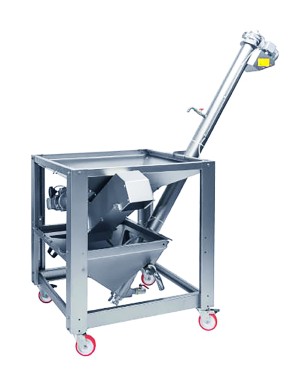
In a professional olive processing line, the fruit must be transferred efficiently between reception, defoliation, washing and crushing. Professional olive elevators can connect the different machines and move olives between different operating heights, helping maintain continuity throughout the production process.
Elevator capacity, discharge height and positioning should be considered together with the overall plant layout. A correctly sized handling system can reduce interruptions and product accumulation while creating a more efficient route for the olives through the processing facility.
From olive washing to olive oil production
Defoliation and washing are part of a broader olive oil production process. After preparation, the olives are transferred to the subsequent transformation stages. The processing plant should therefore provide a logical and continuous flow from raw material reception through cleaning, washing, crushing, oil extraction and management of the extracted oil.
After extraction, the production cycle can continue with equipment dedicated to professional olive oil filtration, according to the selected production process and the characteristics required for the final product.
Pumps for olive oil transfer
Olive oil production also requires the controlled transfer of the product between processing equipment, containers and storage tanks. Professional progressive cavity pumps for olive oil can be integrated into olive oil processing facilities for product transfer operations.
The design of a professional processing line should therefore consider both the movement of the olives and the transfer of the resulting oil, sizing machines, elevators, pumps and treatment systems according to actual production requirements.
How to size an olive defoliator and washing machine
One of the most important parameters is the quantity of olives to be processed per hour. Defoliators and washing machines should have a capacity compatible with the crusher and other equipment installed in the line. An undersized cleaning section could slow down the complete production process during periods of intensive olive reception.
Daily olive quantity, harvesting method, average amount of leaves and impurities, available installation space, machine layout, feeding system and desired level of automation should also be considered. These parameters help determine a configuration suitable for the actual operating conditions of the olive mill.
Advantages of professional olive defoliation and washing systems
- Effective preparation of olives before crushing.
- Separation of leaves and unwanted plant materials.
- Removal of residual impurities through washing.
- Efficient management of water during the cleaning process.
- Solutions for small, medium and professional olive oil producers.
- Integration with olive elevators and handling systems.
- Installation in new or existing olive processing lines.
- Sizing according to the required hourly throughput.
- Continuous flow between reception, cleaning, washing and crushing.
- Professional solutions for olive mills, farms and olive oil producers.
FAQ
What is an olive defoliator used for?
An olive defoliator is used during the initial stages of olive processing to separate leaves and other lightweight plant material collected together with the fruit. Depending on the harvesting method, olives may arrive at the mill with leaves, small branches and other residues from the field. Defoliation helps prepare the raw material before washing, crushing and the subsequent olive oil extraction stages. The machine should be sized according to the quantity of olives processed each hour because insufficient capacity at the beginning of the line can limit the productivity of the complete system. For this reason, the selection of an olive defoliator should also take into account the capacity of the washing machine, elevators, crusher and downstream processing equipment.
Why is it important to wash olives before crushing?
Olive washing helps remove soil, dust and other residual impurities from the surface of the fruit before processing. The condition of incoming olives can vary considerably depending on the harvesting system, weather, soil and handling operations carried out before they reach the mill. A properly organized washing stage therefore allows the downstream processing equipment to receive correctly prepared olives. The washing system should provide sufficient capacity to avoid slowing down the rest of the line while allowing efficient management of the water used in the process. Defoliation and washing are complementary operations: defoliation primarily removes leaves and lightweight plant materials, while washing removes impurities remaining on the olives before crushing.
How much water does an olive washing machine use?
Water consumption depends on the configuration and capacity of the washing machine, the quantity of olives being processed and the condition of the incoming fruit. For this reason, there is no single consumption figure that can be applied to every olive washing system. Professional equipment can be designed with particular attention to efficient water use, reducing unnecessary consumption while maintaining suitable washing conditions. To identify the appropriate solution, it is important to know at least the kilograms of olives that need to be processed per hour and the general characteristics of the production process. Water availability, the organization of the olive preparation area and the machine feeding and discharge systems should also be considered when designing the installation.
Can olive defoliators and washing machines be integrated into an automatic processing line?
Yes. Olive defoliation, washing and handling can be organized as consecutive stages within a professional processing line. Elevators and other conveying systems can connect the different machines, moving olives from reception through cleaning and washing and then towards the crushing stage. To obtain an efficient production flow, however, the capacities of the individual machines should be compatible. If the crusher can process substantially more olives per hour than the washing machine, for example, the effective capacity of the complete line will be determined by the slower stage. Line design should therefore begin with the required kilograms of olives per hour and then size each machine and conveying system accordingly.
How do I choose an olive defoliation and washing system?
The starting point is the required processing capacity, normally expressed in kilograms of olives per hour. It is also useful to know the maximum quantity of olives received during peak harvesting periods, the harvesting method and the typical amount of leaves, small branches, soil and other impurities present in the raw material. Available space, machine positioning, feeding and discharge heights and connection to elevators and downstream processing equipment should then be evaluated. When the defoliation and washing system is being added to an existing plant, compatibility with the equipment already installed is particularly important. Considering the complete process helps avoid both an undersized system that limits production and unnecessarily oversized equipment.
Can defoliation and washing affect olive oil quality?
Raw material preparation is an important part of the olive oil production process. Removing leaves, small branches, soil and other impurities means that the subsequent processing stages receive olives that have been correctly prepared. Final olive oil quality, however, depends on many factors, including the characteristics and condition of the fruit, ripeness, time between harvesting and processing, temperature management, operation of the extraction process and storage conditions. Defoliation and washing should therefore not be considered in isolation but as part of the complete olive oil production chain. A properly organized line coordinates reception, cleaning, washing and crushing while reducing unnecessary waiting times and maintaining a more rational and continuous processing flow.
>> Do you have specific requirements?
Contact us for a bespoke solution tailored to your production capacity, type of processing and output targets.

Mail: commercial@enologys.com