.jpg)


Fermentation Carbon Dioxide Recovery

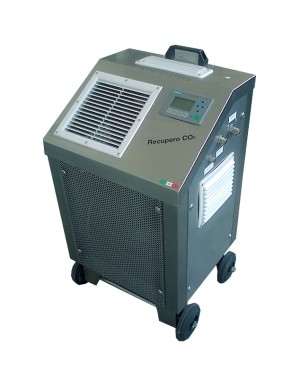
Fermentation CO₂ Recovery Systems for Professional Wineries
Fermentation CO₂ recovery systems are among the most advanced technologies available for wineries looking to improve sustainability, reduce operating costs and increase production efficiency. During alcoholic fermentation, yeast naturally converts grape sugars into alcohol while generating large volumes of carbon dioxide. Approximately 50 litres of CO₂ are produced for every litre of must transformed into wine. Instead of releasing this valuable gas into the atmosphere, modern recovery systems capture, purify and store it for reuse throughout the winery, transforming a natural by-product into a strategic production resource. Recovering and reusing fermentation CO₂ helps wineries reduce emissions, lower dependence on external gas suppliers and support a circular production model.
Professional CO₂ recovery plants collect the gas directly from fermentation tanks before it is purified, dried, compressed and stored for future use. The recovered food-grade CO₂ can then be used for tank blanketing, inerting equipment, isobaric bottling, sparkling wine production and many other winery applications. Besides delivering significant economic savings, these systems improve environmental performance while providing a reliable on-site source of carbon dioxide throughout the year. They integrate seamlessly with modern cellar technology, helping wineries modernize production and achieve greater operational independence.
How Fermentation CO₂ Recovery Works
During alcoholic fermentation, yeast converts grape sugars into ethanol while naturally releasing carbon dioxide. Conventional wineries simply vent this gas into the atmosphere, whereas recovery systems capture it directly from the fermentation vessels.
The collected gas passes through multiple treatment stages including filtration, purification, moisture removal and compression until food-grade quality is achieved. Once purified, the CO₂ is stored under pressure and becomes immediately available for reuse throughout the winery.
Modern recovery plants operate automatically and continuously, monitoring gas purity, pressure, flow rate and storage capacity to ensure safe and reliable operation during harvest and year-round production. Advanced systems can recover more than 90% of fermentation CO₂, dramatically reducing the need for externally supplied industrial gas.
Benefits of Fermentation CO₂ Recovery
- Reduced purchase of food-grade CO₂.
- Lower operating costs.
- Greater independence from gas suppliers.
- Reduced carbon emissions.
- Circular and sustainable winery production.
- Continuous CO₂ availability during harvest.
- Improved environmental performance.
- Automatic gas recovery and storage.
- Integration with existing winery equipment.
- Fast return on investment for medium and large wineries.
- Improved production efficiency.
- Enhanced long-term operational sustainability.
Applications of Recovered CO₂ in Winemaking
Recovered fermentation CO₂ can be reused across numerous winemaking operations, significantly reducing the need for purchased industrial carbon dioxide.
- Crusher-destemmer inerting.
- Grape pump protection.
- Press inerting.
- Tank blanketing.
- Wine transfer operations.
- Must protection against oxidation.
- Isobaric bottling lines.
- Sparkling wine production.
- Autoclave operations.
- Dry ice production.
CO₂ recovery systems are frequently integrated with aphrometers and vacuum meters, wine temperature control systems, must and wine clarification equipment, nitrogen generators and must and wine concentrators.
How to Select the Right CO₂ Recovery System
Every winery has different production characteristics. A properly engineered recovery system requires a complete evaluation of fermentation capacity and carbon dioxide consumption.
- Total winery capacity.
- Annual wine production.
- Average daily grape processing.
- Number and size of fermentation tanks.
- Number of wine presses.
- Sparkling wine production.
- Autoclave capacity.
- Annual CO₂ consumption.
- Isobaric bottling line capacity.
- Future production expansion plans.
Why Choose Enosystem?
Enosystem designs tailor-made fermentation CO₂ recovery solutions specifically engineered for wineries, wine estates and cooperative cellars. Every project begins with a detailed technical assessment of the entire production process to identify every opportunity for recovering and reusing carbon dioxide within the winery.
Our engineering team evaluates fermentation volumes, tank capacity, bottling lines, sparkling wine production, autoclaves and existing CO₂ consumption before designing a fully integrated solution. The result is a highly efficient recovery system that reduces operating costs, improves environmental sustainability and maximizes the economic value of every fermentation campaign.
FAQ
Why should wineries recover fermentation CO₂?
Alcoholic fermentation naturally generates large volumes of carbon dioxide that are typically released into the atmosphere. Recovering this gas transforms an unavoidable by-product into a valuable production resource that can be reused throughout the winery. Instead of continuously purchasing food-grade CO₂ from external suppliers, wineries can produce their own supply directly during harvest. The recovered gas can be used for tank blanketing, wine transfers, press inerting, bottling and sparkling wine production. Besides reducing operating costs, CO₂ recovery lowers greenhouse gas emissions, strengthens supply security and supports more sustainable wine production. As industrial CO₂ prices continue to fluctuate, many wineries view recovery systems as a strategic long-term investment.
How does a fermentation CO₂ recovery system operate?
The system captures carbon dioxide directly from fermentation tanks before it escapes into the atmosphere. The gas then passes through multiple processing stages including cleaning, filtration, dehydration, compression and purification until food-grade specifications are achieved. After treatment, the purified CO₂ is stored in dedicated pressure vessels and automatically distributed wherever it is needed within the winery. Continuous monitoring of pressure, purity and flow rate ensures safe operation and reliable gas availability throughout production. Modern automated systems minimize operator intervention while maximizing recovery efficiency and product quality.
Which wineries benefit most from CO₂ recovery?
Medium and large wineries with significant fermentation capacity generally achieve the fastest return on investment. Producers of sparkling wines, wineries operating isobaric bottling lines and facilities with high annual CO₂ consumption often experience substantial savings by replacing purchased gas with recovered fermentation CO₂. However, smaller wineries can also benefit when carbon dioxide is extensively used for inerting, storage protection or bottling operations. A detailed technical assessment helps determine recovery potential and overall economic feasibility for each individual winery.
Where can recovered CO₂ be reused inside a winery?
Recovered carbon dioxide can be applied across numerous winery processes including crusher-destemmer inerting, grape pump protection, press inerting, tank blanketing, wine transfers, filtration, isobaric bottling, sparkling wine production and autoclave operation. It may also be used to manufacture dry ice and protect wines from oxidation during storage and processing. By replacing purchased industrial gas with recovered fermentation CO₂, wineries improve process efficiency while significantly lowering operating expenses and environmental impact.
What information is required to design a CO₂ recovery system?
Designing an efficient recovery plant requires a comprehensive analysis of winery operations. Important data include total winery capacity, average daily grape processing volume, fermentation tank capacity, number of fermentation vessels, press configuration, annual CO₂ consumption, sparkling wine production, autoclave capacity, bottling line output and current gas usage across production processes. This engineering assessment allows Enosystem to design a fully customized solution that maximizes CO₂ recovery, improves sustainability and delivers the highest possible return on investment.
>> Do you have specific requirements?
Contact us for a bespoke solution tailored to your production capacity, type of processing and output targets.

Mail: commercial@enologys.com