


.jpg)


Professional Weight Filling Machines for Oil
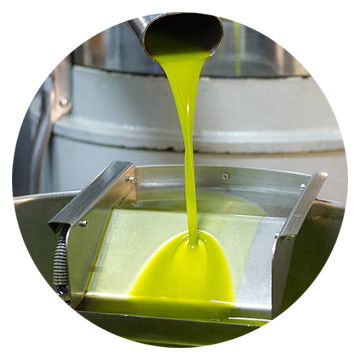
Professional Weight Filling Machines for Oil
Weight filling machines for oil are professional systems designed for the accurate dosing and packaging of olive oil, extra virgin olive oil, seed oils and other edible vegetable oils. The gravimetric filling principle controls the quantity dispensed by measuring the product weight during the filling cycle, providing accurate and repeatable dosing while helping to reduce product overfilling and waste.
Available in automatic and semi-automatic configurations, these machines can be integrated into complete bottling and packaging lines for olive oil mills, oil producers, farms and professional packaging facilities. Each configuration can be selected according to the type of oil, container format and characteristics, required filling weight, production capacity and desired level of automation.
How does a weight filling machine for oil work?
Weight filling, also known as gravimetric filling, determines the quantity of product dispensed by measuring its weight during the filling process. The system progressively monitors the amount of oil entering the container until the programmed target weight is reached. This principle provides repeatable dosing and direct control over the actual quantity of product being packaged.
Gravimetric technology is particularly suitable for edible oils when filling accuracy, overfill control and product waste reduction are important considerations. Depending on the line configuration, product feeding and transfer can be integrated with dedicated equipment, including professional progressive cavity pumps for olive oil.
Gravimetric filling machines for olive oil and edible oils
Gravimetric fillers can be used for packaging extra virgin olive oil, olive oil, seed oils and other edible vegetable oils. The correct machine configuration should be selected according to the characteristics of the product, the containers being used, the number of formats to be handled and the required production speed.
The machines are manufactured using stainless steel and materials suitable for food-processing applications. Particular attention is given to hygiene, efficient product management and practical operation during the different stages of dosing and filling.
Automatic and semi-automatic weight filling machines
A semi-automatic weight filling machine for oil can be an effective solution for small producers, farms, olive oil mills, seasonal production facilities and businesses that frequently change container formats. The operator performs specific handling operations while the machine manages and controls the dosing process.
Automatic weight fillers are more suitable for higher production requirements and continuous packaging lines. They can be integrated with conveyors and downstream equipment to create a coordinated production process. The choice between automatic and semi-automatic filling therefore depends on required hourly output, available operators, number of container formats and the overall level of automation required.
Olive oil bottling and packaging lines
Filling is one of the central stages of an olive oil packaging line, but the weight filler can be integrated with additional equipment to create a more complete process. Before filling, containers can be prepared using professional bottle rinsing machines, depending on the type of container and the organization of the production line.
After filling, the packaging cycle can continue with professional oil capping machines and subsequently with professional oil labelling machines. Conveyors and container handling systems can connect the different machines to create a coordinated process from bottle preparation through to the finished packaged product.
Weight fillers for olive oil mills and oil producers
Weight filling machines are suitable for olive oil mills, oil producers, extra virgin olive oil producers, agricultural businesses, cooperatives and professional packaging facilities. Companies that want to organize a broader production process, from olive processing through to storage and bottling, can also combine their packaging equipment with professional olive processing and crushing equipment.
The filling machine should be sized according to the overall production capacity of the facility. Daily oil production, storage capacity, number of commercial formats and the operating speed of downstream capping and labelling equipment all influence the required output of the filler.
Advantages of gravimetric filling for oil
- Accurate and controlled gravimetric dosing.
- Weight measurement during the filling cycle.
- High filling repeatability.
- Reduced overfilling and product waste.
- Suitable for olive oil, extra virgin olive oil and vegetable oils.
- Automatic and semi-automatic configurations.
- Solutions for different container formats.
- Materials suitable for food-processing applications.
- Integration with conveyor systems.
- Integration with professional capping equipment.
- Integration with labelling machines.
- Custom configurations according to production requirements.
How to choose a weight filling machine for oil
To select the correct gravimetric filling machine for oil, it is important to identify the product being packaged and all the container formats that will be used. Container capacity, dimensions, geometry and material, required net weight, desired number of containers per hour and level of automation are key parameters for determining the most appropriate configuration.
When the filler is installed in an existing bottling line, compatibility with upstream and downstream equipment must also be considered. Conveyor speed, container feeding, capping and labelling should operate at compatible production rates to prevent bottlenecks and maintain an efficient packaging process.
Custom weight filling machines for your production
Packaging requirements can vary considerably between a small olive oil producer and a high-volume oil bottling facility. For this reason, weight filling machines for oil can be customized according to product characteristics, container formats, required output and the level of automation of the production line.
To identify the most suitable configuration, it is useful to provide the type of oil, container sizes, required weight or quantity per package and desired hourly production rate. These details make it possible to evaluate the appropriate technical solution and prepare a customized quotation.
FAQ
What is the difference between a weight filler and a volumetric filler for oil?
The main difference is the method used to determine the amount of product dispensed. A weight filling machine uses gravimetric measurement, monitoring the weight during the filling cycle until the programmed target is reached. A volumetric filling machine instead doses a predetermined quantity according to volume. The most appropriate technology depends on the type of oil, container characteristics, required accuracy, production speed and overall line configuration. Gravimetric filling is particularly useful when direct control of the packaged net weight and reduction of unnecessary overfilling are important. For this reason, the selection should consider the complete packaging process rather than comparing machines solely on their nominal filling speed.
Can a weight filling machine be used for extra virgin olive oil?
Yes. Weight filling machines can be configured for extra virgin olive oil, olive oil and other edible vegetable oils. The machine should be selected according to the characteristics of the product, container formats and required production capacity. Gravimetric control monitors the weight during filling and stops the dosing process when the programmed value is reached, providing repeatable control over the amount packaged. When specifying a machine for an olive oil mill or bottling company, it is important to indicate the oils to be handled, all required container formats and the target number of containers per hour. These parameters help determine the most appropriate configuration for the actual production process.
What containers can be used with a gravimetric oil filling machine?
Container compatibility depends on the specific configuration of the filling machine. Systems can be designed for different container types and sizes, but capacity, dimensions, geometry, material, opening and closure system should be known before defining the equipment. These details become particularly important when several formats must be processed on the same line. In addition to filling, container stability, positioning, transport and compatibility with downstream capping and labelling operations should be considered. For unusual containers or multiple formats, detailed dimensions, photographs, technical drawings or physical samples can help verify compatibility and define the most suitable handling and filling solution.
Should I choose an automatic or semi-automatic oil filling machine?
The choice mainly depends on required production capacity and the organization of the packaging process. A semi-automatic weight filler may be suitable for small olive oil producers, farms, seasonal mills or businesses handling limited volumes and frequent format changes. An automatic filling machine becomes more attractive as production increases and the filler needs to operate continuously with conveyors, capping machines and labelling equipment. There is therefore no single configuration that is best for every producer. Hourly output, available operators, number of formats, available space and future production growth should all be evaluated. This helps avoid both an unnecessarily oversized machine and a system that could quickly become insufficient as production volumes increase.
Can a complete olive oil bottling line be created?
Yes. A weight filler can be integrated into a complete olive oil bottling and packaging line. Depending on production requirements, the process can include container preparation or rinsing, oil transfer and feeding, gravimetric filling, cap application and tightening, additional closure operations and labelling. Conveyors and handling systems can connect the individual machines to create a continuous production flow. For an efficient line, however, the operating speeds of all stages should be balanced. A high-speed filling machine cannot increase overall output if the capping or labelling machine operates at a significantly lower rate. Complete line design should therefore begin with the required finished containers per hour and work backwards to correctly size each production stage.
What information is required to request a customized quotation?
To correctly size a weight filling machine, it is useful to provide the type of oil being packaged, all required container formats, container capacity and dimensions, target net weight and desired hourly output. It is also important to specify whether the filler will operate as a stand-alone machine or be integrated into an existing line with conveyors, capping equipment or labelling machines. When several formats or unusual containers are involved, photographs, dimensions, technical drawings or samples can be useful for checking compatibility. Based on this information, the most suitable machine configuration can be evaluated and a customized quotation can be prepared according to the actual production requirements.
>> Do you have specific requirements?
Contact us for a bespoke solution tailored to your production capacity, type of processing and output targets.

Mail: commercial@enologys.com


