


.jpg)


Torch
Grape Presses
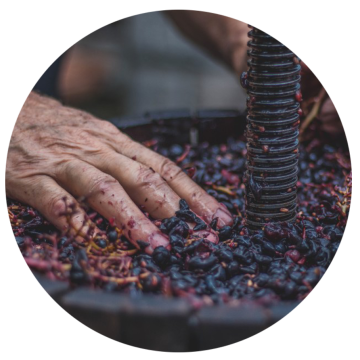
Grape presses are traditional winemaking tools used to extract juice and must from grapes and pomace through controlled pressure. Appreciated by wineries, vineyards and artisanal wine producers, they offer a gentle extraction process that helps preserve the quality, aromas and characteristics of the grapes while maximizing yield.
Manufactured using carefully selected seasoned beech wood, hot-forged components and food-grade materials, professional grape presses combine durability, reliability and traditional craftsmanship. Integrated into modern grape reception and processing systems, they remain a preferred solution for small and medium-scale wine production.
How Grape Presses Work
Grape presses apply gradual and controlled pressure to grapes or pomace, extracting must while minimizing damage to skins and seeds.
The pressing system distributes force evenly across the product, helping preserve quality and reduce the extraction of undesirable compounds.
These presses are commonly used after processing with grape crushers and destemmers and can complement or support the use of professional grape presses in specific winemaking operations.
The slow and controlled extraction process is particularly valued in premium, artisanal and traditional winemaking applications.
Benefits of Professional Grape Presses
- Gentle and controlled juice extraction.
- Improved must quality.
- Maximum utilization of harvested grapes.
- Premium seasoned beech wood construction.
- Hot-forged metal components for durability.
- Easy cleaning and excellent hygiene.
- Minimal wear of mechanical components.
- Extremely long service life.
- Suitable for food processing applications.
- Ideal for artisanal and medium-scale wine production.
Applications
Grape presses are widely used in various winemaking environments:
- Artisanal wineries.
- Family vineyards.
- Wine estates.
- Traditional winemaking operations.
- Organic wine production.
- Natural wine producers.
- Educational and experimental wineries.
- Small and medium-sized wine businesses.
Following the pressing stage, the must can be transferred using professional wine transfer pumps and further processed through wine filtration systems to improve clarity and product quality.
How to Choose the Right Grape Press
Selecting the ideal grape press depends on production goals and processing requirements.
- Harvest volume and production capacity.
- Basket size and pressing capacity.
- Type of winemaking process.
- Artisanal or professional production needs.
- Frequency of use.
- Construction materials and durability.
- Cleaning and maintenance requirements.
- Available winery space.
- Compatibility with existing equipment.
- Desired wine quality and production objectives.
Why Choose Enosystem
Enosystem offers high-quality grape presses manufactured according to traditional craftsmanship standards while meeting the requirements of modern wine production.
Carefully selected materials, precision manufacturing and dedicated accessories provide reliable performance and long-term durability for demanding winery operations.
Our technical expertise in winemaking equipment allows us to support customers with professional advice, customized solutions and specialized assistance throughout the purchasing process.
Every grape press is designed to deliver excellent extraction performance, long operational life and outstanding value for investment.
FAQ
What is a grape press used for?
A grape press is used to apply controlled pressure to grapes or pomace in order to extract must and juice during the winemaking process.
What are the advantages of a traditional grape press?
Traditional grape presses provide gentle extraction, preserve grape quality and are particularly appreciated in artisanal and premium wine production.
Are grape presses suitable for small wineries?
Yes. They are widely used by small and medium-sized wineries looking for high-quality extraction and traditional winemaking methods.
What materials are used in professional grape presses?
Professional models typically feature seasoned beech wood, hot-forged metal components and food-grade materials designed for long-term use.
Do grape presses require significant maintenance?
No. Their robust construction minimizes wear and allows easy routine cleaning and maintenance.
How are grape presses cleaned?
They are designed with easy-to-clean surfaces and food-safe materials that support proper sanitation procedures.
Can grape presses be integrated with other winery equipment?
Yes. They can be combined with crushers, destemmers, transfer pumps and filtration systems as part of a complete winemaking process.
How long does a professional grape press last?
With proper maintenance, a professional grape press can provide reliable performance for many years thanks to its durable construction and premium materials.
>> Do you have specific requirements?
Contact us for a bespoke solution tailored to your production capacity, type of processing and output targets.

Mail: commercial@enologys.com


