.jpg)


Olive Processing: Professional Machines and Equipment

Olive Processing: Professional Machines and Equipment
Olive processing includes all the operations required to transform harvested olives into olive oil, from reception and preparation of the raw material through crushing, extraction, transfer and oil filtration. Enologys offers professional olive processing machines and equipment for olive oil mills, farms, small and medium-sized producers and professional facilities looking for an efficient production process adapted to their actual requirements.
The configuration of an olive processing line depends on the quantity of olives to be processed, required hourly capacity, available space and the selected production method. Individual machines can be installed separately or combined into a complete line for defoliation, branch removal, olive washing, conveying, destoning, crushing, oil extraction, product transfer and filtration.
Professional olive processing machines
Efficient olive oil production begins with the correct preparation of the raw material. Leaves, small branches, soil and other foreign materials collected with the olives should be removed before the main processing stages. Professional olive defoliators, branch removers and washing systems help prepare the fruit for the subsequent processing stages.
The capacity of this equipment should be coordinated with the rest of the production line. Reception, cleaning, washing, conveying and processing should operate at compatible flow rates so that one undersized machine does not become a bottleneck for the entire olive oil production process.
Olive crushers and equipment for olive oil production
Professional olive crushers are an important part of the process that transforms harvested olives into a product suitable for the subsequent oil extraction stages. These machines can be incorporated into compact systems for small and medium-sized producers as well as into more structured professional olive oil processing lines.
Producing high-quality olive oil requires careful management of the entire process. The condition and quality of the olives, the time between harvesting and processing, preparation of the raw material and control of the operating conditions can all influence the production process and the characteristics of the resulting oil.
Cold extraction of olive oil
Cold extraction of olive oil is particularly important for producers focused on preserving the sensory and qualitative characteristics of their product. Correct temperature management during processing helps maintain controlled operating conditions and avoid excessive heating of the olive paste.
The final quality of the oil, however, does not depend on a single machine or parameter. Olive freshness and condition, the interval between harvesting and processing, cleaning, preparation, management of the extraction stages and subsequent oil storage should all be considered as parts of one integrated production process.
Olive defoliation, branch removal and washing
Freshly harvested olives can arrive at the processing facility together with leaves, small branches, soil and other material from the field. Olive cleaning and washing are therefore important preliminary stages before crushing and extraction. Defoliators and branch removal systems separate unwanted plant material, while washing equipment cleans the olives before further processing.
This section of the line should be sized according to the quantity of olives received and the capacity of downstream machinery. During the olive harvest season, when large quantities of fruit may arrive within a short period, properly sized reception, cleaning and washing equipment helps maintain a continuous production flow.
Professional olive destoning machines
For processes requiring separation of the olive stone, Enologys offers professional olive destoning machines. These machines can be incorporated into specific processing configurations according to the production method and the characteristics of the final product required.
The destoner should be selected according to the required processing capacity and the performance of the other machines in the line. Correct sizing helps maintain a continuous flow between product feeding, processing and transfer to the following production stages.
Olive elevators and conveying systems
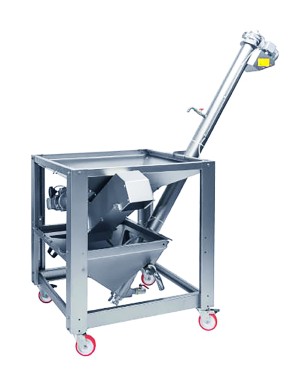
Moving olives efficiently between the different processing stages is an important part of professional line design. Professional olive elevators transfer the raw material between machines and different operating heights, helping automate the process and maintain a continuous production flow.
Elevator height, capacity and position should be considered together with the overall layout of the processing facility. A well-designed product path can reduce unnecessary handling and help optimize the available space within an olive mill.
Olive oil pumps and product transfer
During and after processing, oil and other process products may need to be transferred between machines, containers and storage tanks. Professional progressive cavity pumps for olive oil provide a dedicated solution for transfer operations within olive oil production facilities.
The correct pump should be selected according to the required flow rate, head, product characteristics, pipework and the specific stage of the process. Proper sizing allows the transfer system to operate consistently with the capacity of the other equipment in the production line.
Professional olive oil filtration
After extraction, the production process can continue with equipment dedicated to professional olive oil filtration. Filtration can be used to separate suspended particles and residues from the oil according to the desired result and the filtration technology selected.
The filtration system should be sized according to the quantity of oil to be processed, required hourly throughput and characteristics of the incoming product. Depending on the production organization, filtration can be positioned before storage or before subsequent bottling and packaging operations.
Complete olive processing lines
A complete professional olive processing line can combine several production stages in sequence: olive reception, defoliation and branch removal, washing, conveying and elevation, preparation and crushing, optional destoning, oil extraction, transfer and filtration.
The complete process should be considered when sizing the equipment rather than focusing exclusively on the nominal capacity of one machine. If one production stage operates at a significantly lower throughput than the others, it can limit the effective capacity of the entire plant. The starting point should therefore be the quantity of olives that need to be processed per hour.
Olive processing equipment for small and medium producers
Olive processing systems can be configured for small and medium olive oil producers, farms and artisan olive mills that want to process their own harvested olives. A compact line can organize the principal production stages according to the actual quantity of fruit being processed and the available installation space.
For larger production requirements, particular attention should be given to the hourly capacity of each machine, the quantity of olives received during peak harvesting periods, conveying systems and the subsequent oil filtration, storage and packaging operations.
Advantages of a professional olive processing line
- Coordinated management of the different olive processing stages.
- Solutions for small, medium and professional olive oil producers.
- Olive defoliation, branch removal and washing.
- Professional olive crushing and processing equipment.
- Possibility of integrating olive destoning systems.
- Elevators for raw material handling and transfer.
- Professional pumps for olive oil transfer.
- Dedicated olive oil filtration equipment.
- Machine sizing according to required hourly throughput.
- Configurations adaptable to available production space.
- Possibility of organizing the process from olive reception through to management of the extracted oil.
How to choose olive processing equipment
The first parameter to determine is the quantity of olives that must be processed per hour. This figure makes it possible to size the main machines and ensure that reception, cleaning, washing, conveying, crushing, processing and filtration have compatible production capacities.
Daily olive quantity, duration of the harvesting season, available space, required production method, desired level of automation and oil storage organization should also be considered. These parameters make it possible to develop a processing system that reflects the actual production requirements of the olive oil producer.
FAQ
What machines are needed to process olives and produce olive oil?
The equipment required depends on the production process and the desired capacity. A professional line can begin with olive reception followed by defoliators and branch removers to separate leaves and small branches, washing equipment to clean the fruit and elevators to transfer the olives between the different processing stages. The olives then move to crushing and the subsequent equipment required for oil extraction. Depending on the production method, an olive destoning stage can also be incorporated. After extraction, pumps can transfer the oil to storage tanks or filtration equipment. All machines should be sized according to the kilograms of olives processed per hour so that their capacities are compatible and one undersized stage does not restrict the performance of the complete olive oil production line.
How are olives processed in an olive oil mill?
The process begins when harvested olives arrive at the mill. Leaves, small branches and other foreign material are removed and the olives are cleaned before processing. Elevators and conveying systems then move the fruit between the different machines. The olives are prepared and crushed before passing through the subsequent stages required to extract and separate the oil. The resulting oil can then be transferred to suitable tanks or containers and, depending on the selected process, filtered before storage or packaging. Olive condition, the time between harvesting and processing, temperature management and correct operation of the equipment can all influence the production process. For this reason, an olive mill should be designed as an integrated system rather than simply as a collection of independent machines.
What does cold extraction of olive oil mean?
Cold extraction refers to the management of temperature during the olive oil production process and is particularly relevant when the objective is to preserve the sensory and qualitative characteristics of the oil. Controlling process temperature helps prevent excessive heating during the transformation of the olives. Temperature alone, however, does not determine the final quality of the product. The freshness and condition of the olives, the time between harvesting and processing, cleaning of the raw material, correct management of the different production stages and subsequent oil storage are also important. Producing high-quality olive oil therefore requires careful management of the complete process rather than relying on a single machine or processing parameter.
What are olive defoliators and washing machines used for?
Harvested olives can contain leaves, small branches, soil and other material from the field. Defoliators are used primarily to separate leaves and lightweight plant material, while washing systems clean the olives before the following processing stages. This preliminary preparation helps provide a more controlled flow of raw material to the downstream equipment. The capacity of the defoliation and washing section should be compatible with the throughput of the rest of the plant. If this section is undersized compared with the crusher and extraction equipment, it can become a production bottleneck, particularly during the peak olive harvesting season when large quantities of fruit may need to be received and processed within a relatively short period.
How do you size an olive processing line?
Sizing normally begins with the quantity of olives that must be processed each hour and the total daily volume expected during the harvesting season. These figures help determine the required capacities for reception, cleaning, washing, conveying and the subsequent processing stages. The throughput of the individual machines should be compatible because the effective capacity of the entire line can be determined by its slowest stage. Available space, product routes, electrical supply, water availability where required, transfer systems and oil storage should also be considered. A small farm may prefer a compact processing line, while an olive mill receiving larger quantities of fruit will require greater hourly capacity and potentially a higher level of automation.
Can a complete line be created from olive reception through to oil filtration?
Yes. Different machines can be combined to create a complete olive processing and olive oil production line. Depending on the selected process, the system can include olive reception, defoliation, branch removal, washing, elevation and conveying, crushing and processing, optional destoning, oil extraction, transfer and filtration. Each section should be sized in relation to the others. Large differences in machine throughput can cause waiting times, product accumulation and production bottlenecks. To define the most appropriate configuration, it is useful to specify the kilograms of olives to be processed per hour and per day, the duration of the olive harvesting season, available installation space and the desired level of automation.
>> Do you have specific requirements?
Contact us for a bespoke solution tailored to your production capacity, type of processing and output targets.

Mail: commercial@enologys.com